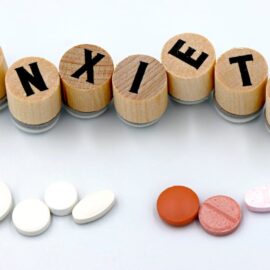
Facing withdrawal symptoms from substance use can feel overwhelming and frightening. It’s a critical period where the body, accustomed to a substance, reacts intensely when that substance is removed. This process, known as detox, isn’t just uncomfortable; it can be incredibly dangerous, even life-threatening, without proper medical supervision.
Many individuals try to detox alone, unaware of the severe risks involved, from seizures and cardiac arrest to profound psychological distress. You don’t have to navigate mental health or substance use challenges alone. Understanding what to expect during withdrawal and knowing where to turn for help is the first step toward a safer, healthier future.
At HealthyMindsUtah, we’re dedicated to connecting individuals and families across Utah with vital resources and support. We help you find the guidance you need to safely manage withdrawal and begin your recovery journey. For those struggling with specific substances, understanding the signs and risks of opioid addiction and its withdrawal is crucial.
Understanding Withdrawal: The Body’s Reaction to Detox
Withdrawal symptoms are the body’s physical and psychological responses to the cessation or reduction of a substance it has become dependent upon. When someone regularly uses substances like alcohol, opioids, benzodiazepines, or stimulants, their brain and body adapt to the substance’s presence. Remove it, and the system goes into shock, trying to re-establish a new normal. This period, known as detoxification or “detox,” is often the first phase of recovery.
The severity and type of withdrawal symptoms vary greatly depending on the substance, the duration and amount of use, and individual health factors. For instance, alcohol withdrawal can lead to delirium tremens, a severe and potentially fatal condition characterized by confusion, rapid heartbeat, and seizures, as detailed by the Mayo Clinic. This is why attempting to detox at home without medical supervision is rarely recommended and often incredibly risky.

What Are the Signs of Withdrawal?
Recognizing the signs of withdrawal is vital for seeking timely interventions. Symptoms can range from mild discomfort to severe, life-threatening complications. The specific manifestations depend heavily on the type of substance involved.
In our practice, we’ve seen how quickly withdrawal can escalate, emphasizing the need for professional assessment. Here are some common symptoms to look for across different substance types:
- Physical Discomfort: Nausea, vomiting, diarrhea, muscle aches, tremors, sweating, chills, and fever.
- Neurological Symptoms: Headaches, dizziness, difficulty concentrating, seizures (especially with alcohol or benzodiazepines).
- Psychological Distress: Intense cravings, anxiety, panic attacks, depression, irritability, restlessness, paranoia, and hallucinations.
- Sleep Disturbances: Insomnia, nightmares, or disrupted sleep patterns.
- Cardiovascular Issues: Changes in heart rate and blood pressure, which can be dangerous.
- Flu-like Symptoms: Runny nose, watery eyes, yawning, and goosebumps, particularly common during opioid withdrawal.
What’s good for withdrawal symptoms?
The most effective approach for managing withdrawal symptoms is medically supervised detox. This often involves medication-assisted treatment (MAT) to alleviate discomfort and prevent dangerous complications. Supportive care, including hydration, nutritional support, and a safe environment, is also crucial. The goal is to stabilize the individual physically and psychologically before moving to long-term recovery.
Medication-assisted treatment (MAT) combines medications with counseling and behavioral therapies. For opioid withdrawal, medications like buprenorphine or methadone can significantly reduce cravings and withdrawal symptoms, making the process safer and more tolerable. Similarly, benzodiazepines might be used to prevent seizures in alcohol withdrawal. This evidence-based approach helps normalize mental health during a challenging time, allowing individuals to engage in further treatment.
“Medically supervised detoxification significantly reduces the risk of serious complications, offering a pathway to safely manage acute withdrawal symptoms that might otherwise be life-threatening.”
— Substance Abuse and Mental Health Services Administration (SAMHSA)
How can you avoid precipitated withdrawal?
Precipitated withdrawal, a sudden and severe onset of withdrawal symptoms, is primarily avoided by careful timing and administration of certain medications, especially opioid antagonists like naltrexone or buprenorphine (when used incorrectly). It happens when an opioid antagonist is given too soon after opioid use, displacing the opioids from receptors and causing immediate, intense withdrawal. Medical professionals carefully assess the last time a person used opioids before initiating MAT with these medications, often waiting for early signs of natural withdrawal to appear.
This careful planning is a hallmark of expert care and underscores why self-detoxing is so risky. Without a medical professional who understands the pharmacokinetics of different substances and their antidotes, you risk triggering a painful and dangerous reaction that can make someone far less likely to seek help again. Board-certified providers recommend a thorough assessment to determine the appropriate timing and dosage, ensuring the safety and comfort of the individual.
How long do withdrawal symptoms last?
The duration of withdrawal symptoms varies widely, depending on the substance, the length and intensity of use, and individual physiological factors. Acute withdrawal symptoms can last anywhere from a few days to several weeks. Alcohol withdrawal might peak within 24-72 hours and subside in a week, while benzodiazepine withdrawal can endure for weeks or even months due to their longer half-life. Opioid withdrawal typically peaks around 36-72 hours and can last 5-10 days, though post-acute withdrawal syndrome (PAWS) can persist much longer.
PAWS refers to a constellation of symptoms that can linger for months after acute withdrawal has subsided. These include mood swings, anxiety, sleep disturbances, fatigue, and difficulty concentrating. While not physically dangerous, PAWS can be extremely challenging and increase the risk of relapse. Understanding these long-term effects is part of managing expectations and planning for sustained recovery, as we explain in our guide on Substance Use Disorder and Mental Health: The Connection.

What can be done to help someone who is experiencing withdrawal?
When someone is experiencing withdrawal, the most important thing you can do is help them access professional medical care immediately. Do not attempt to manage severe withdrawal at home. Crisis support lines and emergency services are critical resources. Once medical help is engaged, providing a calm, supportive, and non-judgmental environment is paramount. Offer emotional encouragement and ensure they feel safe and cared for.
Early intervention can make a real difference, potentially reducing relapse rates by half. We’ve seen firsthand that a compassionate approach helps individuals feel less isolated and more willing to accept help. Raymond Sterling, our content expert, notes that “supporting a loved one through withdrawal means prioritizing their physical safety first, then connecting them to the comprehensive care they need for both body and mind.”
“Immediate access to medical care and a supportive environment during withdrawal are crucial for mitigating risks and setting the stage for successful long-term recovery.”
Choosing the Right Path: Medically Supervised Detox Options
Deciding how and where to detox is a critical step. While the idea of detoxing at home might seem appealing for privacy, it is often too risky, especially for substances like alcohol or benzodiazepines, where withdrawal can lead to seizures, heart problems, or even death. Professional supervision ensures safety and comfort.
Medically supervised detox programs typically fall into two main categories:
- Inpatient Detox: This involves staying at a specialized facility, often within a hospital or a dedicated detox center. It provides 24/7 medical monitoring, medication management, and a structured, safe environment. Inpatient detox is highly recommended for severe dependencies, a history of complicated withdrawal, or co-occurring medical or mental health conditions.
- Outpatient Detox: For individuals with milder dependencies, a strong support system at home, and good general health, outpatient detox might be an option. This involves daily visits to a clinic for medication and medical check-ups while living at home. However, it requires significant discipline and a safe home environment, free from triggers.
There are situations where the risks are lower, such as withdrawal from certain stimulants, but even then, discomfort can be intense and cravings powerful. For conditions like Alcohol Use Disorder: When Drinking Becomes a Problem, the severe risks often necessitate inpatient care.
What to Expect After Detox: The Road Ahead
Detox is not the end of the journey; it’s the crucial first step. Once the acute withdrawal symptoms subside and your body is stabilized, the real work of recovery begins. Expect to feel physically drained and emotionally vulnerable in the immediate aftermath. This is normal. The body needs time to heal, and the mind needs to adjust to functioning without the substance.
A realistic timeline for recovery involves continuous engagement in therapy, support groups, and potentially ongoing medication-assisted treatment. Many individuals transition from detox to residential treatment or intensive outpatient programs. Setbacks can happen, but they don’t erase progress. The goal is long-term wellness, not just short-term sobriety. Sustained effort and continued support are what truly lead to lasting change.
Practical Tips for Supporting Detox and Recovery
If you or someone you know is facing withdrawal, preparing and seeking help is paramount. Here are some practical tips:
- Seek Professional Help Immediately: Don’t try to detox alone. Contact a doctor, an addiction specialist, or a crisis hotline like the 988 Suicide & Crisis Lifeline for guidance. For those on behalf of a loved one, this is the most critical first move.
- Understand the Substance: Learn about the specific withdrawal symptoms and risks associated with the substance in question. This helps you know what to anticipate.
- Create a Safe Environment: Remove any access to the substance. Ensure the person is in a secure, comfortable place where they can be monitored and won’t be exposed to triggers.
- Gather Support: Enlist trusted family, friends, or support group members who can provide emotional encouragement and practical assistance.
- Plan for Aftercare: Detox is just the beginning. Have a plan for continued treatment, such as therapy, support groups, or a residential program, to build on the progress made.
- Prioritize Self-Care: During and after detox, adequate rest, hydration, nutrition, and gentle physical activity (as appropriate) are crucial for physical and mental healing.
Withdrawal can be a challenging and intimidating experience, but it doesn’t have to be faced in isolation. Early warning tools like self-screenings can detect symptoms, and timely interventions make a real difference in outcomes. HealthyMindsUtah connects individuals and families across Utah with the resources and connections they need for mental health screenings, crisis support, and substance use services. There is help, and the first move begins with choosing to get help. We’re here to help you take that crucial step toward a healthier life.