Navigating the complexities of mental health can feel overwhelming, especially when faced with conditions that profoundly affect perception, thought, and behavior. Schizophrenia spectrum disorder is one such condition, often misunderstood, and its impact can be deeply challenging for individuals and their families. It’s a journey that no one should have to walk alone.
Many people grapple with questions about what schizophrenia truly is, how it’s diagnosed, and what pathways exist for support and recovery. The initial signs can be subtle, developing slowly over time, making it hard to identify that something significant is happening. Early intervention makes a real difference, improving outcomes and helping individuals manage symptoms more effectively.
At Healthy Minds Utah, we’re dedicated to being your trusted hub for mental health support and connections here in Utah. We believe in normalizing mental health conversations and ensuring everyone has access to the information and resources they need. If you’re seeking to understand schizophrenia spectrum disorder better, or are looking for help and resources for yourself or a loved one, we’re here to guide you.
What Is Schizophrenia Spectrum Disorder?
Schizophrenia is a chronic and severe mental disorder that affects how a person thinks, feels, and behaves. Individuals with schizophrenia may seem like they’ve lost touch with reality, which can be distressing for both them and their families. It’s a complex condition impacting many aspects of life, but it is treatable and manageable with the right support.
The term “schizophrenia spectrum disorder” reflects the idea that schizophrenia encompasses a range of related conditions, not just a single disorder. These conditions share common features but can vary in severity and presentation. For a diagnosis to be made, symptoms must persist for at least six months and include at least one month of active-phase symptoms like delusions, hallucinations, or disorganized speech. Board-certified providers recommend a thorough assessment to ensure an accurate diagnosis, as symptoms can sometimes overlap with other mental health conditions. As Raymond Sterling, a key figure in our mission, has often emphasized, timely interventions are crucial for better outcomes.
“Schizophrenia is characterized by disruptions in thought processes, perceptions, emotional responsiveness, and social interactions. While there’s no cure, effective treatments can help manage symptoms and improve quality of life.”
What Symptoms Should I Look For?
Recognizing the symptoms of schizophrenia is the first step toward seeking help. These symptoms are generally categorized into positive, negative, and cognitive types, each affecting a person’s life in distinct ways. It’s not always easy to spot them, especially when they first appear.
- Delusions: False beliefs not based in reality, such as believing one is being persecuted, watched, or that they have special powers.
- Hallucinations: Seeing or hearing things that don’t exist, though for the person experiencing them, they feel very real. Auditory hallucinations (hearing voices) are most common.
- Disorganized Thinking (Speech): Difficulty organizing thoughts, leading to rambling or incoherent speech, or responding to questions with unrelated answers.
- Grossly Disorganized or Abnormal Motor Behavior: Ranging from childlike silliness to unpredictable agitation. Catatonia, a severe form, involves a lack of response or unusual postures.
- Negative Symptoms: A reduction or lack of normal function. This can include reduced expression of emotions (flat affect), lack of motivation (avolition), decreased speech (alogia), or diminished pleasure in everyday activities (anhedonia). These can be particularly challenging to identify, as they might be mistaken for depression or general disinterest.
- Cognitive Symptoms: Problems with attention, memory, and executive functions (like planning and decision-making). These can make daily tasks and social interactions difficult.
In our practice at Healthy Minds Utah, we’ve seen how early warning tools, like various mental health screenings, can detect symptoms that might otherwise be missed, allowing for quicker connections to care.
How Is Schizophrenia Diagnosed?
Diagnosing schizophrenia is a complex process that requires a comprehensive evaluation by a mental health professional. There isn’t a single test, like a blood test or brain scan, that definitively confirms the disorder. Instead, clinicians rely on a detailed assessment of symptoms, medical history, and mental status examinations to align with specific diagnostic criteria.
The process typically involves:
- Clinical Interview: A psychiatrist or psychologist will conduct in-depth interviews with the individual and often with family members, to gather information about symptoms, their duration, severity, and impact on daily life.
- Medical Evaluation: A doctor will perform a physical exam and may order blood tests or brain imaging (like an MRI or CT scan) to rule out other medical conditions that could cause similar symptoms, such as drug use, brain tumors, or other neurological disorders. This step is crucial because many physical conditions can mimic mental health issues.
- Symptom Observation: The mental health professional will observe the individual’s behavior, thought patterns, and emotional responses.
- Diagnostic Criteria: The symptoms are then evaluated against the criteria outlined in the American Psychiatric Association’s Diagnostic and Statistical Manual of Mental Disorders (DSM-5). This manual specifies that an individual must experience at least two of the primary symptoms (delusions, hallucinations, disorganized speech) for a significant portion of time during a one-month period, with continuous signs of disturbance for at least six months.
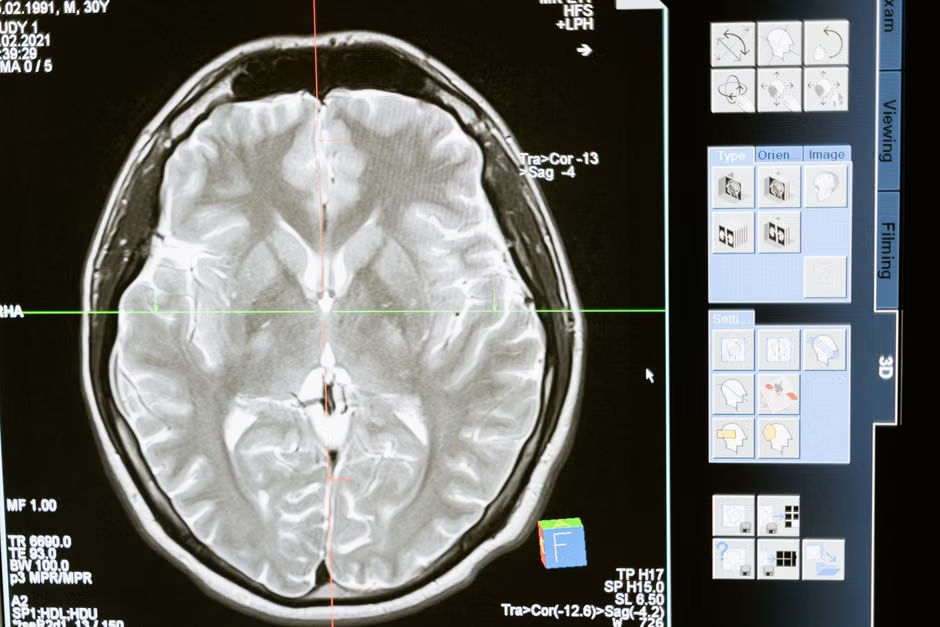
The diagnostic timeframe emphasizes that schizophrenia isn’t diagnosed based on a single episode of symptoms but rather on a persistent pattern. This careful approach helps ensure accuracy, differentiating schizophrenia from conditions like major depression with psychotic features or bipolar disorder, which can sometimes present with similar symptoms.
What Are the Causes of Schizophrenia?
The exact causes of schizophrenia aren’t fully understood, but research suggests a combination of genetic, environmental, and brain chemistry factors contribute to its development. It’s not caused by poor parenting or personal weakness, and it doesn’t manifest due to a single trigger.
Here are some of the key factors thought to play a role:
- Genetics: Schizophrenia tends to run in families. While it’s not a direct inheritance, having a close relative with the condition increases one’s risk. However, many people with schizophrenia have no family history, indicating other factors are at play.
- Brain Chemistry and Structure: Imbalances in certain neurotransmitters, like dopamine and glutamate, are believed to contribute to schizophrenia. Differences in brain structure and function, such as reduced gray matter volume or enlarged ventricles, have also been observed in some individuals with schizophrenia, though these aren’t universal or diagnostic.
- Environmental Factors: Exposure to certain viruses, malnutrition, or problems during birth can increase the risk. Substance use, particularly marijuana use during adolescence, has also been linked to an increased risk in vulnerable individuals.
- Complications During Pregnancy or Birth: Certain complications, like oxygen deprivation or exposure to toxins or viruses before birth, may play a small role.
- Stress: While stress doesn’t cause schizophrenia, significant life stressors can trigger its onset in individuals who are already genetically predisposed, or worsen existing symptoms.
“Schizophrenia is thought to be the result of a complex interplay between genes and environment, leading to alterations in brain development and function. No single gene or environmental factor causes it, but rather a combination of vulnerabilities.”
Understanding these contributing factors helps us realize the complexity of conditions like PTSD, trauma, and related disorders, and reinforces that mental health conditions are biological and medical, not character flaws.
What Does Treatment for Schizophrenia Involve?
While schizophrenia is a chronic condition, it is highly treatable. With consistent and appropriate care, many individuals can manage their symptoms, achieve stability, and lead fulfilling lives. Treatment plans are typically comprehensive and individualized, often involving a combination of approaches.
Key components of schizophrenia treatment include:

- Medication (Antipsychotics): These are the cornerstone of schizophrenia treatment. Antipsychotic medications help to reduce the intensity and frequency of psychotic symptoms like hallucinations and delusions by affecting brain neurotransmitters. It often takes time and careful adjustment to find the right medication and dosage with the fewest side effects.
- Psychotherapy: Various forms of therapy can be incredibly beneficial. Cognitive Behavioral Therapy (CBT) helps individuals learn coping skills, challenge distorted thoughts, and manage symptoms. Family therapy can educate family members about the illness and improve communication, while social skills training helps individuals improve social interactions and daily functioning.
- Coordinated Specialty Care (CSC): This team-based approach combines medication, psychotherapy, family involvement, case management, and supported education and employment services. CSC has been shown to be particularly effective for individuals experiencing their first episode of psychosis, leading to better recovery outcomes.
- Support Services: This includes housing assistance, vocational training, and peer support groups, all of which play a vital role in recovery and integration into the community.
Recovery is a journey, not a destination, and it looks different for everyone. It’s a realistic timeline to expect significant symptom improvement within weeks or months of starting treatment, but ongoing support and adherence to the treatment plan are essential for long-term stability. In our work, we emphasize that early intervention reduces relapse rates by half, underscoring the importance of timely and consistent care. Just like managing conditions like generalized anxiety disorder, consistency is key.
Practical Steps for Supporting Someone with Schizophrenia
Supporting a loved one with schizophrenia can be challenging, but your role is invaluable. Knowing how to help can make a huge difference in their journey toward recovery and stability. Here are some practical tips:
- Encourage Treatment Adherence: Help your loved one stick to their medication schedule and therapy appointments. Gently remind them without being judgmental.
- Learn About the Illness: Educate yourself about schizophrenia. Understanding the symptoms, causes, and treatment options will help you be a more informed and empathetic supporter.
- Create a Supportive Environment: Reduce stressors in their environment, promote healthy routines (sleep, diet, exercise), and encourage social interaction without overwhelming them.
- Communicate Clearly and Calmly: Speak in simple, clear sentences. Avoid arguing about delusions or hallucinations; instead, acknowledge their experience without validating the delusion. Focus on their feelings.
- Recognize Warning Signs: Be aware of changes in behavior or mood that might indicate a relapse. Knowing these signs allows for quicker intervention.
- Prioritize Your Own Well-being: Supporting someone with a severe mental illness can be draining. Seek your own support, whether it’s through family, friends, or support groups for caregivers. You can’t pour from an empty cup.
Remember, you don’t have to navigate mental health alone. Healthy Minds Utah is here to provide resources and connections to county-level providers who can offer professional guidance and compassionate care. Our goal is to ensure that every individual and family in Utah has access to the support they need to detect symptoms early, get help now, and build a path toward mental wellness.