Do you often feel like your brain is in overdrive, yet you struggle to focus on what matters most? Maybe you find yourself constantly losing keys, missing deadlines, or interrupting others without meaning to. For many adults, these everyday frustrations aren’t just quirks; they’re signs of undiagnosed Attention-Deficit/Hyperactivity Disorder (ADHD), a condition often misunderstood and frequently overlooked in adulthood.
Living with untreated ADHD can make daily tasks feel like monumental challenges. It can strain relationships, impact career success, and erode self-esteem over time. We understand how isolating this can feel, wondering why things that seem easy for others are so difficult for you.
You don’t have to navigate mental health alone. Healthy Minds Utah serves as a vital hub, connecting individuals and families across Utah to the support and resources they need. We believe in the power of early intervention and accessible care to make a real difference, helping you find clarity and effective strategies. Learn more about the support we offer on our home page.
What is ADHD?
Attention-Deficit/Hyperactivity Disorder (ADHD) is a neurodevelopmental disorder marked by persistent patterns of inattention, hyperactivity, and impulsivity that interfere with daily functioning and development. While often associated with childhood, ADHD can persist into adulthood, presenting with symptoms that may look different than in younger years. It’s a condition related to how the brain manages executive functions like attention, organization, and emotional regulation.
“ADHD is a complex neurodevelopmental disorder characterized by ongoing patterns of inattention and/or hyperactivity-impulsivity that interfere with functioning or development. These symptoms are not just typical distractibility or fidgeting, but persistent challenges that impact various aspects of life.”
In adults, the hyperactive component might be less obvious as physical restlessness, instead manifesting as an inner feeling of agitation or constantly shifting thoughts. Inattention, on the other hand, often remains a core challenge, affecting work, relationships, and self-care. Understanding the meaning of ADHD means recognizing it as a brain-based difference, not a character flaw or a lack of effort.
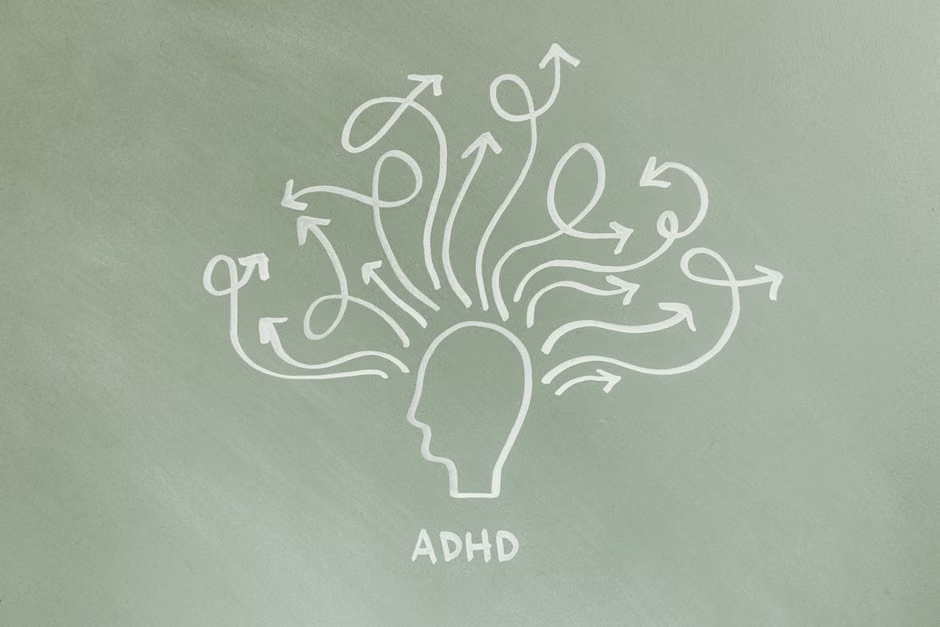
What are the signs of untreated ADHD in adults?
Untreated ADHD in adults can manifest as chronic disorganization, difficulty with time management, frequent mood swings, and problems maintaining attention during tasks. These signs often lead to struggles in professional settings, personal relationships, and overall self-management, making life feel overwhelming and unpredictable.
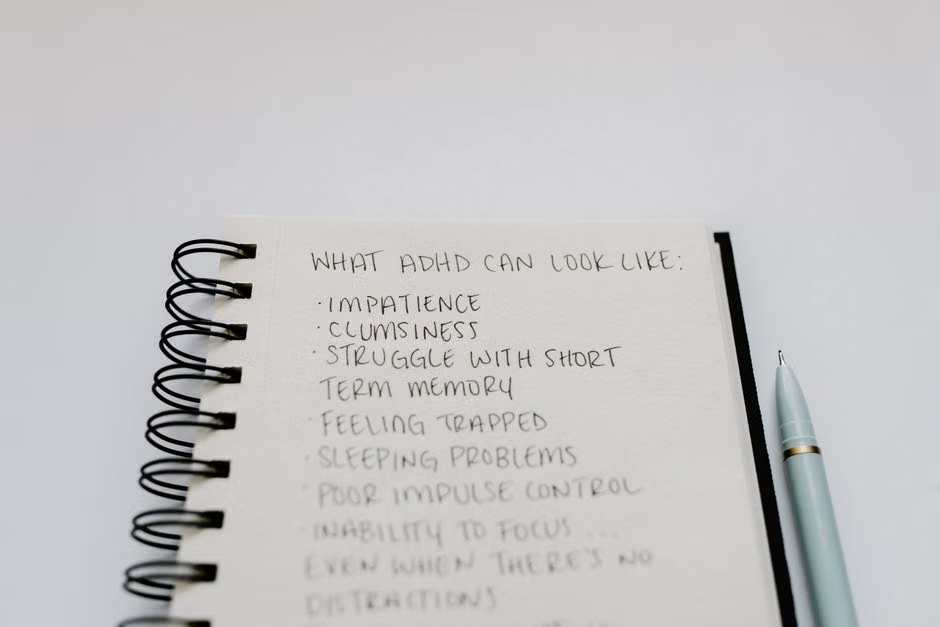
Many adults live for years without understanding why certain things are so hard for them. They might attribute their struggles to laziness, lack of intelligence, or a personal failing. However, these aren’t character flaws; they’re common ADHD symptoms. Recognizing these signs is the first step toward getting the help you need. Here are common indicators we see in our practice:
- Difficulty with focus and sustained attention: Getting easily distracted, struggling to stay on task, or having trouble listening during conversations.
- Poor organizational skills: Chronic messiness, losing belongings, difficulty planning or prioritizing tasks.
- Time management challenges: Frequently running late, underestimating how long tasks will take, or difficulty meeting deadlines.
- Impulsivity: Interrupting others, blurting out answers, making hasty decisions, or engaging in risky behaviors without thinking them through.
- Restlessness or fidgeting: Feeling an inner sense of agitation, difficulty sitting still, or needing to constantly be on the go.
- Emotional dysregulation: Intense mood swings, irritability, difficulty managing frustration, or being easily overwhelmed by emotions.
- Forgetfulness: Frequently forgetting appointments, names, or where you put things.
- Relationship struggles: Due to inattention, impulsivity, or communication challenges.
What is Inattentive ADHD?
Inattentive ADHD, previously known as ADD, primarily involves difficulties with attention and focus without prominent hyperactivity or impulsivity. Adults with this presentation may appear quiet or spacey, struggling with organization, sustained attention, and forgetfulness, often leading to it being overlooked or misdiagnosed as anxiety or depression.
This presentation can be particularly insidious because it doesn’t always involve the disruptive behaviors typically associated with ADHD. Instead, someone with inattentive ADHD might struggle silently. They might be easily distracted by internal thoughts, overlook details, struggle with instructions, or have trouble finishing projects. This can lead to underperformance at work or school, even when they’re highly intelligent. The internal struggle can be immense, leading to feelings of inadequacy and low self-worth, making early warning tools like screenings crucial.
What are the consequences of untreated ADHD in adults?
The consequences of untreated ADHD in adults can be far-reaching, impacting mental health, relationships, career stability, and financial well-being. Individuals may experience chronic stress, anxiety, depression, and a higher risk of substance use disorders, perpetuating a cycle of frustration and missed potential.
When ADHD goes undiagnosed and untreated, the daily challenges can accumulate, leading to significant personal and professional distress. We’ve seen how these struggles can escalate, often leading to co-occurring conditions. For example, the constant effort to manage disorganization and missed deadlines can lead to chronic anxiety. Impulsive decisions can result in financial difficulties or unstable relationships. This isn’t about personal failure; it’s about a brain that functions differently and needs specific strategies and support.
“Adults with untreated ADHD face higher risks for various negative outcomes, including academic and occupational underachievement, financial difficulties, relationship problems, and an increased likelihood of developing co-occurring mental health conditions like depression, anxiety disorders, and substance use disorders.”
How does undiagnosed ADHD in female adults present differently?
Undiagnosed ADHD in female adults often presents differently than in males, with less overt hyperactivity and more internalizing symptoms. Women and girls may exhibit more inattention, hyperfocus, and anxiety, leading to misdiagnosis as mood disorders or simply being perceived as “overwhelmed” or “scattered” rather than having ADHD.
In our experience, female adults are often experts at masking their ADHD symptoms. They might spend an incredible amount of energy trying to compensate for their organizational challenges or inattention, leading to burnout. They might internalize their struggles, leading to heightened anxiety or depression, or develop perfectionistic tendencies to overcompensate. This masking often means they don’t fit the stereotypical image of ADHD, delaying diagnosis and access to effective support. Early intervention reduces the relapse rates in half, making it critical to identify these nuanced presentations.
The Role of ADHD Testing and Diagnosis
Getting an accurate diagnosis is the critical first step toward managing adult ADHD. This process typically involves a comprehensive evaluation by a qualified mental health professional. We work to connect Utahns to county-level mental health providers who can conduct thorough assessments. This usually includes:
- Detailed interviews about your childhood and current symptoms.
- Review of your medical and mental health history.
- Questionnaires and rating scales designed to assess ADHD symptoms.
- Information gathering from family members or partners, with your consent.
- Ruling out other conditions that might mimic ADHD symptoms.
An accurate diagnosis can provide immense relief and clarity, helping you understand your experiences through a new lens. Our connections to various providers can help streamline the process of finding a professional who can conduct an ADHD assessment.
What Does ADHD Treatment Involve?
ADHD treatment for adults is highly individualized and often involves a combination of medication and therapy. The goal isn’t to “cure” ADHD, but to manage symptoms effectively and improve daily functioning.

Medication
For many, ADHD medication is a highly effective treatment. Stimulant medications are often the first line of treatment, working to balance neurotransmitters in the brain. Non-stimulant medications are also available and can be a good option for those who can’t take stimulants or experience side effects. It’s important to work closely with a healthcare provider to find the right medication and dosage.
Therapy
Behavioral therapies, particularly Cognitive Behavioral Therapy (CBT), can teach coping strategies, organizational skills, and time management techniques. Support groups can also provide a sense of community and shared experience. Therapy helps individuals build practical skills and strategies to navigate the challenges that ADHD presents. Our network connects you to providers offering these evidence-based interventions.
Suitability: Understanding Your Options
Finding the right approach to managing ADHD is a personal journey. While medication can be transformative for many, it’s not the only path, and it isn’t suitable for everyone. We believe in providing access to a spectrum of resources.
For some, lifestyle adjustments, executive function coaching, and support groups can be incredibly beneficial, either as standalone strategies or alongside medication. We also understand that ADHD often co-occurs with other challenges, like anxiety, depression, or even substance use. Addressing these co-existing conditions is a crucial part of holistic care, an area where our expertise in resource coordination truly shines. Our board-certified providers recommend an integrated approach to care, ensuring all your needs are met.
What to Expect from Treatment: A Realistic Timeline
When you begin ADHD treatment, whether with medication, therapy, or both, it’s important to have realistic expectations. Relief isn’t always instant. Medication often starts working within days or weeks, but finding the optimal dose can take time. Behavioral strategies require consistent practice and patience to build new habits.
You can expect to see gradual improvements in your ability to focus, organize, and manage impulses. Over several months, many individuals experience a significant reduction in symptoms and an increased sense of control over their lives. Remember, this is a journey towards better self-management and well-being, not a race. Early intervention, as we’ve seen in our work, can significantly reduce severe outcomes and lead to more positive long-term results.
Practical Tips for Living with Adult ADHD
Living with adult ADHD can be made easier with practical strategies that help structure your day and manage your symptoms. These tips can complement formal treatment and improve your quality of life.
- Establish a routine: Create consistent daily schedules for waking, sleeping, eating, and working. This helps your brain anticipate tasks.
- Break down tasks: Large projects can feel overwhelming. Break them into smaller, manageable steps to reduce procrastination and increase a sense of accomplishment.
- Use organizational tools: Rely on calendars, planners, reminder apps, and to-do lists. Don’t trust your memory alone.
- Minimize distractions: Create a dedicated workspace, turn off notifications, and use noise-canceling headphones to improve focus.
- Prioritize self-care: Ensure you get adequate sleep, maintain a balanced diet, and incorporate regular physical activity. These foundations significantly impact ADHD symptoms.
- Practice mindfulness: Techniques like meditation can help improve attention and emotional regulation over time.
Understanding and managing adult ADHD is a journey that can lead to profound improvements in your life. You don’t have to face the complexities of ADHD alone. Healthy Minds Utah is here to provide the resources and connections you need to thrive. Whether you’re seeking an assessment, exploring treatment options, or looking for community support, we’re dedicated to helping you find your way forward. As Raymond Sterling often says, there is help, and the first move begins with choosing to help yourself. Explore our various community-based care connections to get started.