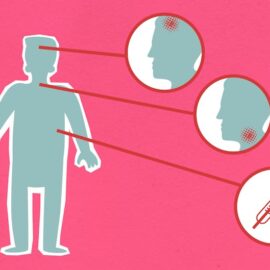
Depression isn’t just a rough week or a sad mood that passes after a good night’s sleep. For millions of people, it’s a medical condition that changes how they think, feel, sleep, eat, and function, day after day. Recognizing major depression early can be the difference between months of quiet suffering and getting connected to care that actually helps.
If you’re reading this because something feels off, or because someone you love seems to have disappeared into themselves, you’re already doing the right thing. Understanding what depression is, what it looks like, and how it’s treated gives you something you can act on.
We work with individuals and families across Utah to connect them to mental health screenings, crisis support, and community-based care. At Healthy Minds Utah, our goal is simple: make sure no one has to navigate mental health alone.
What Is Major Depression?
Major depression, clinically called major depressive disorder (MDD), is a mood disorder marked by persistent sadness, loss of interest, and a range of physical and cognitive symptoms that last at least two weeks and interfere with daily life. It’s not a character flaw. It’s not a sign of weakness. It’s a recognized medical condition with measurable biological and psychological underpinnings.
The National Institute of Mental Health estimates that roughly 21 million adults in the United States experience at least one major depressive episode each year, making it one of the most prevalent mental health conditions in the country. It affects people of all ages, backgrounds, and life circumstances.
Depression stems from a complex interaction of genetic vulnerability, neurochemical changes, life stressors, and environmental factors. The brain regions that regulate mood, particularly the prefrontal cortex and limbic system, are directly involved. This is why depression responds to both therapy and, in many cases, medication. Biology drives recovery, not willpower alone.
What Are the Symptoms of Major Depression?
Depression symptoms vary from person to person, which is one reason it often goes unrecognized. Some people feel profound sadness. Others feel nothing at all, a kind of hollow numbness that’s equally disorienting. Raymond Sterling, who writes on mental health education, notes that depression’s invisible nature is precisely what makes early detection so important. Mental health screenings serve as early warning tools that surface symptoms people have learned to hide, even from themselves.
The core diagnostic criteria, drawn from the DSM-5 and referenced by clinicians across disciplines, include five or more of the following symptoms present during the same two-week period:
- Persistent sad, empty, or hopeless mood most of the day, nearly every day
- Loss of interest or pleasure in activities once enjoyed, including hobbies, socializing, or sex
- Significant weight change or appetite disruption without trying
- Sleeping too much or struggling to sleep at all
- Physical slowing down or agitation noticeable to others
- Fatigue and loss of energy nearly every day
- Feelings of worthlessness or excessive guilt
- Difficulty concentrating, thinking clearly, or making decisions
- Recurring thoughts of death, suicide, or a suicide attempt
Not everyone experiences all of these. Some people with depression keep working, maintain social appearances, and look fine on the outside. This is sometimes called high-functioning or “smiling” depression, and it’s among the hardest kinds to detect, both for the individual and for those around them.
“Depression is a leading cause of disability worldwide and is a major contributor to the overall global burden of disease.”
How Is Depression Different From Bipolar Disorder, Postpartum Depression, or PTSD?
This is one of the most common points of confusion, and the distinction matters because treatment differs significantly depending on the actual diagnosis. Major depression is not the same as every condition that involves a depressed mood.

Bipolar disorder symptoms include depressive episodes that look identical to major depression, but they’re also marked by periods of elevated or irritable mood, increased energy, and impulsive behavior called mania or hypomania. This distinction is critical. Antidepressants alone can trigger mania in someone with undiagnosed bipolar disorder, which is why accurate diagnosis must come before any treatment begins.
Postpartum depression is a form of major depression that develops after childbirth, typically within the first year. The depression symptoms overlap with MDD, but postpartum depression may also include intense anxiety about the baby, difficulty bonding, and intrusive thoughts. It’s more than the “baby blues,” and it requires a specific clinical approach.
BPD symptoms, those of borderline personality disorder, can include emotional dysregulation and depressed moods. But BPD is a personality disorder involving unstable relationships, identity disturbance, and impulsivity, not just episodic depression. People with BPD may experience brief but intense depressive states, which complicates diagnosis.
Symptoms of post-traumatic stress syndrome include depression-like withdrawal and hopelessness, but PTSD is primarily driven by trauma exposure, intrusive memories, hypervigilance, and avoidance behaviors tied to a specific event. Depression and PTSD frequently co-occur, which is exactly why a comprehensive assessment matters before settling on a treatment plan.
Schizophrenia symptoms are distinct, involving psychosis, hallucinations, and disorganized thinking. However, people with schizophrenia do frequently experience depressive episodes alongside psychotic symptoms, and that overlap deserves its own clinical attention.
If you’re unsure which condition applies to you or someone you love, a structured mental health screening is the right first step. The resources available through Healthy Minds Utah can connect you with validated assessment tools and trained providers who can sort through the diagnostic picture with you.
How Does Depression Affect the Brain and Body?
Depression is not “all in your head” in any dismissive sense. It produces real, measurable changes in brain chemistry and physical health. Research shows that chronic depression is associated with elevated cortisol levels, systemic inflammation, and structural changes in regions of the brain involved in memory and emotion, particularly the hippocampus.
“People with depression are at higher risk of developing other serious medical conditions, including heart disease, diabetes, and stroke, and depression itself can make those conditions harder to treat.”
The body keeps score in other ways too. People with untreated depression are more likely to develop chronic physical illness, experience a weakened immune response, and have shorter life expectancy overall. Depression and substance use also co-occur at high rates. Some individuals use alcohol or other substances to manage emotional pain, which worsens both conditions over time. Treating the depression without addressing the substance use, or vice versa, rarely produces lasting results.

What Treatments Actually Work for Depression?
Treatment for major depression is effective. That’s one of the most important things to understand. Somewhere between 70 and 80 percent of people with depression respond meaningfully to treatment. The two most well-supported approaches are psychotherapy, particularly cognitive behavioral therapy (CBT), and antidepressant medication. Often, a combination works better than either alone.
CBT helps people identify and shift the negative thought patterns that fuel depressive episodes. Interpersonal therapy addresses the relational dynamics often tangled with depression. For moderate to severe depression, a psychiatrist may recommend antidepressants, which work by modulating serotonin, norepinephrine, or dopamine in the brain. It typically takes four to eight weeks to see the full effect of a medication. That’s worth knowing before concluding it isn’t working.
For people who don’t respond to initial treatments, options include medication adjustments, combination therapy, or evidence-based alternatives like transcranial magnetic stimulation (TMS). Early intervention reduces the likelihood of relapse and shortens the duration of episodes. The key is not giving up after a first attempt. Recovery is a process, not a single event.
When Should You Reach Out for Help?
Many people wait far too long before seeking support. Depression convinces people they’re not “sick enough” to deserve help, or that things will resolve on their own. They rarely do without intervention. Here are signs it’s time to reach out now:
- Symptoms have lasted two weeks or more and are affecting your ability to work, parent, or maintain relationships
- You’re using alcohol or substances to manage your mood more than you used to
- You’re experiencing thoughts of death, suicide, or self-harm
- A loved one has expressed concern about your behavior or withdrawal
- You’ve tried to push through on your own and nothing has improved
- You’re experiencing depression symptoms following a birth, a major loss, or a traumatic event
If you or someone you care about is in crisis right now, call or text 988 to reach the Suicide and Crisis Lifeline. For non-crisis support, mental health screenings are among the most valuable early warning tools we have. They identify symptoms of depression, anxiety, and related conditions so you can act before things escalate. Our team at Healthy Minds Utah connects individuals across Utah to free screenings and community-based providers who can follow through with the care you need.
Depression is treatable. Getting a screening, making a phone call, or reaching out on behalf of a loved one can change the entire trajectory. You don’t have to have it all figured out first. There is help, and the first move begins with choosing to reach out. We’re here when you’re ready.