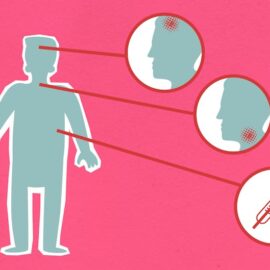
Worry is a normal part of life. Most of us stress about work, health, money, or family at some point. But when that worry doesn’t stop, when it follows you into the shower, interrupts your sleep, and makes even small decisions feel impossible, that’s something different. That’s what generalized anxiety disorder does. It doesn’t wait for a reason to show up. It just stays.
GAD affects roughly 3.1% of the U.S. population in any given year, making it one of the most common mental health conditions adults face. According to the National Institute of Mental Health, it often goes undiagnosed for years because persistent worry can feel like a personality trait rather than a medical condition. It isn’t. It’s treatable, and early intervention makes a real difference in outcomes.
At Healthy Minds Utah, we connect individuals and families across the state to mental health screenings, provider referrals, and crisis support. If you or someone you love has been living with relentless anxiety, you don’t have to navigate this alone. Here’s what you need to know about GAD, from what it actually feels like to what actually helps.
What Do You Need to Know About Generalized Anxiety Disorder?
Generalized anxiety disorder is a chronic condition marked by persistent, excessive worry about a wide range of everyday topics. Symptoms last at least six months, are difficult to control, and cause real impairment in daily life. Unlike panic disorder or specific phobias, GAD doesn’t center on one trigger. The worry shifts and rarely rests.
The Mayo Clinic describes GAD as a condition in which a person “feels anxious about many things and in general feels worried most of the time.” That distinction matters. It separates normal stress, which has an identifiable cause and fades, from GAD, which is pervasive, ongoing, and often disproportionate to any real threat.
GAD is diagnosed using criteria from the DSM-5, and validated tools like the GAD-7 questionnaire help clinicians and screeners measure symptom severity. We use tools like the GAD-7 in our screening process because early detection reduces the time between suffering and getting real support. Timely interventions consistently produce better outcomes than waiting until a crisis point is reached.
Generalized Anxiety Disorder Symptoms: What Does It Actually Feel Like?
Many people with GAD spend years thinking they’re “just a worrier.” The symptoms are real, physical, and often exhausting. They interfere with work, relationships, and sleep in ways that compound over time.
Common symptoms of generalized anxiety disorder include:
- Excessive, hard-to-control worry spanning multiple areas of life such as health, finances, work, and family
- Restlessness or a persistent feeling of being keyed up or on edge
- Difficulty concentrating, with thoughts going suddenly blank
- Irritability that feels out of proportion to the situation
- Muscle tension, headaches, or unexplained physical aches
- Trouble falling asleep or staying asleep, even when exhausted
- Fatigue that persists even after rest
Symptoms must be present for at least six months to meet the diagnostic threshold, and they need to cause significant distress or functional impairment. GAD frequently occurs alongside depression, other anxiety conditions, or substance use, which is why a proper screening that looks at the full picture matters so much.
“GAD often goes along with other anxiety disorders, depression, or substance abuse. Many people with GAD also have symptoms of other anxiety disorders or mood disorders.”
Generalized Anxiety Disorder Causes
There’s no single cause of GAD. It develops through a combination of biological, psychological, and environmental factors. Understanding that matters because it removes the stigma. This isn’t a weakness. It’s not something you caused by worrying too much. It’s a condition with real neurological and genetic underpinnings.
Key contributing factors include:
- Genetics: a family history of anxiety or mood disorders raises risk meaningfully
- Brain chemistry: imbalances in neurotransmitters like serotonin and dopamine play a documented role
- Chronic stress: prolonged high-stress environments can reshape how the brain reads threat signals
- Personality temperament: people with anxious temperaments from early childhood face higher lifetime risk
- Trauma and adverse experiences: difficult childhood events or major life disruptions are linked to GAD onset
Women are diagnosed with GAD at roughly twice the rate of men, though researchers note this may partly reflect differences in help-seeking behavior and how symptoms get reported. GAD can begin at any age, though it most commonly emerges during childhood, adolescence, or middle adulthood.
Is Generalized Anxiety Disorder Serious?
Yes. GAD is a serious mental health condition that, without proper management, can significantly impair quality of life. It’s associated with higher rates of depression, substance use, and physical health problems including cardiovascular issues. People with untreated GAD often begin avoiding situations that trigger worry, which slowly narrows their world.
The good news is that GAD responds well to treatment. Most people who access proper care see real, lasting improvement. Raymond Sterling, who contributes to mental health education content for our organization, emphasizes that the biggest barrier to recovery often isn’t the disorder itself. It’s the gap between recognizing something is wrong and taking a first step toward help. Our role as a connected resource hub for Utah mental health services is to make that first step as low-barrier as possible.

Generalized Anxiety Disorder Treatment: What Actually Works?
Effective treatment for GAD typically involves therapy, anxiety medication, or a combination of both. The right approach depends on symptom severity, personal history, and individual preference. There’s no universal answer, which is exactly why a proper assessment matters before settling on any single solution.
Cognitive behavioral therapy is the most well-researched psychotherapy for anxiety disorder management. It teaches people to identify distorted thinking patterns, challenge catastrophizing, and develop healthier response habits. CBT for anxiety typically runs 12 to 20 sessions and produces benefits that extend well beyond the treatment period itself.
“Cognitive behavioral therapy is the most effective type of psychotherapy for anxiety, and it can be as effective as medication for many people.”
Anxiety medication is also a legitimate tool for many people. SSRIs like sertraline and escitalopram are considered first-line pharmacological options. SNRIs like venlafaxine are similarly effective for a significant portion of patients. Buspirone is a non-addictive alternative that works well for some people. Benzodiazepines may be used short-term but carry dependency risks with prolonged use. A prescribing provider can walk through what makes sense given your full medical picture.
It’s worth naming that not everyone with anxiety needs medication or intensive therapy. Mild to moderate GAD sometimes responds well to structured self-management combined with brief counseling. If symptoms have been present for years, are severe, or are significantly affecting your daily life, professional support should be the priority. Not sure where you fall on that spectrum? A mental health screening through Healthy Minds Utah is a low-barrier place to start.
How to Calm GAD: Coping Skills for Anxiety That Actually Help
Coping skills don’t replace treatment when treatment is needed. But practiced consistently, the right strategies genuinely reduce the intensity and frequency of anxious episodes. They’re part of how most people sustain recovery long-term.
Here are six evidence-informed strategies for day-to-day anxiety management:
- Deep breathing for anxiety: Slow, diaphragmatic breathing activates the parasympathetic nervous system and counters the fight-or-flight response. Inhale for 4 counts, hold for 4, exhale for 6. Even five minutes shifts how your nervous system reads threat.
- Scheduled worry time: Set a 15-minute daily window for worry. When anxious thoughts intrude outside that window, note them and defer. This practice reduces the sense that worry is uncontrollable and pervasive.
- Progressive muscle relaxation: Systematically tensing and releasing muscle groups reduces the physical tension that feeds anxious thought loops. Regular practice builds real nervous system flexibility over time.
- Limit avoidance: Avoidance offers short-term relief but keeps anxiety strong long-term. Gradually facing feared situations, even in small steps, breaks the cycle and builds genuine confidence.
- Regular movement: Aerobic exercise has measurable effects on anxiety symptoms. Even a 20-minute daily walk reduces cortisol and increases GABA activity in the brain.
- Protect your sleep: GAD and poor sleep reinforce each other. Consistent sleep and wake times, limiting screens before bed, and keeping your sleep environment cool and dark help interrupt that cycle.
These strategies work best as part of a broader plan. If self-management alone hasn’t been enough, that’s not a sign you’ve failed. It’s a sign you need more support, and that support exists. We work with county-level providers and mental health networks across Utah to connect people to the right level of care. If you’re ready to take that next step, our resource hub can help you find it.
Living with generalized anxiety disorder is hard. The relentless worry, the tension in your body, the nights you can’t quiet your mind. None of it is a character flaw, and you don’t have to white-knuckle through it alone. Whether you’re reaching out for yourself or on behalf of a loved one, the path forward starts with choosing to reach out. Get help now. Real change begins with that one decision.