When a loved one faces a mental health or substance use crisis, it can feel overwhelming. You might feel lost, unsure how to help, or even scared. This isn’t a situation anyone should navigate alone, and knowing what to do in these critical moments can make a real difference in someone’s life.
A crisis doesn’t always look the same for everyone. It could be a sudden, intense emotional breakdown, an acute episode of substance use, or a quiet withdrawal that hints at suicidal thoughts. What matters most is recognizing the signs and having a plan to respond with compassion and effectiveness.
At Healthy Minds Utah, we’re dedicated to being that crucial hub, connecting individuals and families across Utah to the support they need. We want to empower you with the knowledge and resources to act decisively when someone you care about is experiencing a crisis. Early intervention truly saves lives, and understanding how mental health screenings support early intervention can be a crucial first step for ongoing care.
What is a Mental Health Crisis?
A mental health crisis is an acute event where an individual experiences an intense behavioral, emotional, or cognitive disturbance that significantly impairs their ability to function and may pose a risk to themselves or others. It’s a situation that requires immediate attention and often, crisis intervention.
Understanding what constitutes a crisis is the foundation of effective crisis management. It’s not just a bad day; it’s a moment where a person’s usual coping mechanisms have failed, and they’re in severe distress. This can manifest in many ways, from panic attacks to severe depression or paranoia, making timely interventions essential for safety and recovery. As the National Institute of Mental Health notes, mental health crises can involve psychosis, severe mood swings, or suicidal ideation, all requiring urgent care. The National Institute of Mental Health provides extensive resources on identifying and managing these critical situations.
What to Do if a Friend Is in Crisis?
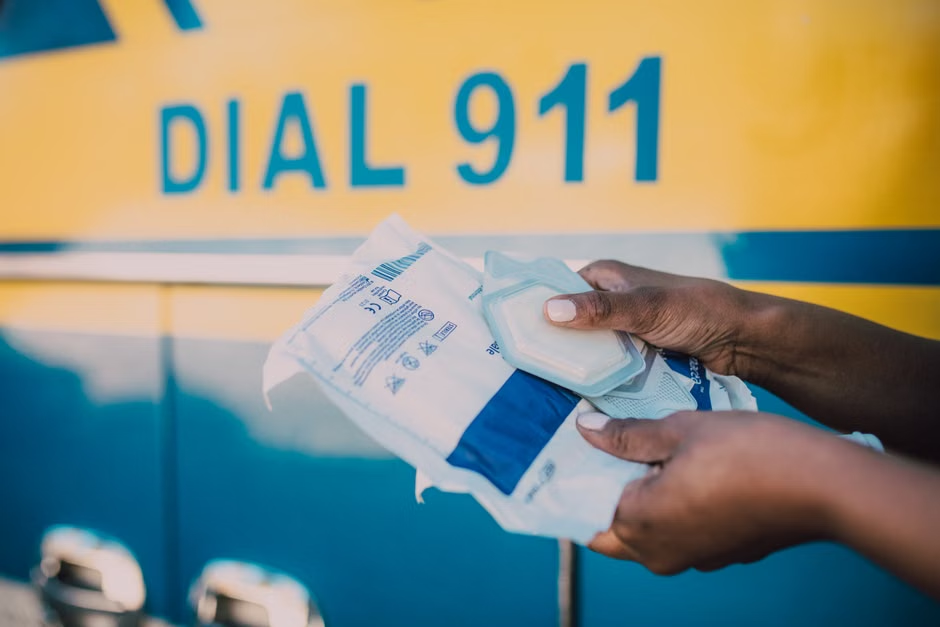
If a friend is in crisis, prioritize their safety and your own. Stay calm, listen without judgment, and encourage them to seek professional help. If there’s an immediate danger, contact emergency services (988 or 911) or stay with them until help arrives. You don’t have to navigate mental health alone.
Witnessing a friend in a mental health crisis can be frightening, but your calm presence can be a lifeline. Start by listening actively. Let them talk, validate their feelings, and avoid minimizing their experience. Phrases like “I hear you,” “I’m here for you,” or “That sounds incredibly difficult” can open the door to trust. Don’t try to fix their problems or offer simple solutions. Your goal is to support and connect them to professional help.
We’ve seen in our practice that simply being present and empathetic can de-escalate a situation. Raymond Sterling, a key advocate for community mental health, emphasizes the power of connection. We know that early intervention reduces relapse rates by half, underscoring the importance of swift, supportive action.
How to Respond When Someone Is in Crisis?
To respond effectively, ensure safety first. Remove any potential weapons, create a calm environment, and maintain a non-confrontational stance. Use clear, simple language, offer concrete help, and avoid making promises you can’t keep. Connect them to immediate crisis assistance resources like the 988 Suicide & Crisis Lifeline.
Responding to a crisis requires a delicate balance of urgency and patience. Begin by assessing the level of risk. If there’s any indication of self-harm or harm to others, you must involve emergency services immediately. Once immediate safety is managed, focus on communication. Speak clearly and concisely. Ask direct questions like “Are you thinking of hurting yourself?” or “How can I help you right now?”
What to Look For: Signs of a Mental Health Crisis
Recognizing the signs of a developing crisis is crucial. While not exhaustive, these are common indicators that someone might need urgent support:
- Sudden, drastic changes in mood or behavior, such as extreme sadness, irritability, or agitation.
- Increased social withdrawal or isolation.
- Expressions of hopelessness, worthlessness, or feeling trapped.
- Talking about death, dying, or suicide, even jokingly.
- Giving away possessions or saying goodbye.
- Severe paranoia or hallucinations.
- Inability to perform daily tasks like eating, sleeping, or personal hygiene.
- Increased use of drugs or alcohol.
“In a crisis, the immediate goal is to ensure safety and provide stabilization, creating a pathway to longer-term support. Don’t underestimate the impact of a calm, supportive presence in the initial moments.”
What to Do if Someone Is Trying to Kill Themselves
If someone is actively trying to kill themselves, call 911 (or your local emergency number) immediately. Stay with them if it’s safe to do so, remove any means of harm, and keep talking to them in a calm, supportive voice until help arrives. Do not leave them alone. Their life is at stake, and every second counts.
This is the most critical situation. There’s no time for hesitation. You need to act.
Here’s a breakdown of immediate steps:
- **Call for help:** Dial 911 or the 988 Suicide & Crisis Lifeline right away. Tell the operator exactly what’s happening.
- **Stay with them:** Do not leave them alone, even for a moment, if it’s safe for you to stay. Your presence, even silent, can be a deterrent.
- **Remove means of harm:** If possible and safe, remove access to any weapons, medications, or other objects they might use to harm themselves.
- **Listen without judgment:** Allow them to express their pain. Don’t argue, challenge, or try to convince them out of their feelings. Just listen.
- **Express care:** Let them know you care about them and their life. “I don’t want you to die,” or “I’m here for you, and we can get through this” can be powerful statements.
- **Follow professional guidance:** Once emergency responders arrive, cooperate fully and provide any information that might help them.
Remember, your role isn’t to be a therapist, but a bridge to professional help. Recognizing early warning tools and getting crisis assistance is paramount.
How to Help Someone With Mental Illness Who Doesn’t Want Help
When someone with mental illness resists help, approach them with patience and empathy. Express your concern without judgment, focus on specific behaviors rather than diagnoses, and offer tangible support like accompanying them to an appointment. Respect their autonomy, but keep lines of communication open and continue to offer resources.
This can be incredibly frustrating and heartbreaking. You see the need for help, but they refuse it. We understand this challenge. Often, individuals may be in denial, fear stigma, or not recognize the severity of their condition. Sometimes, a person might even be experiencing a delusion that makes them distrustful of help. Here’s what we suggest:
- **Choose your moment:** Pick a calm time to talk, not during an argument or active crisis.
- **Use “I” statements:** Instead of “You need help,” try “I’ve been worried about you because I’ve noticed you’re not sleeping.”
- **Focus on specific issues:** Talk about the impact of their mental health on daily life – for instance, “You haven’t been able to go to work,” or “You seem so sad lately.”
- **Offer practical support:** Instead of just saying “Get help,” suggest, “Let me call the Healthy Minds Utah resource line with you,” or “I can drive you to a screening.”
- **Educate yourself:** Learn about their condition to better understand their perspective.
- **Set boundaries:** While you want to help, you also need to protect your own well-being. Don’t allow their refusal to completely consume your life or compromise your safety.
- **Seek advice:** Speak with a mental health professional yourself about how to best support someone who is resistant.
It can be a long process, but continuous, gentle encouragement, coupled with readily available resources, often makes a difference over time. We help connect people to county-level mental health providers precisely for these challenging situations.
How Crisis Intervention Works
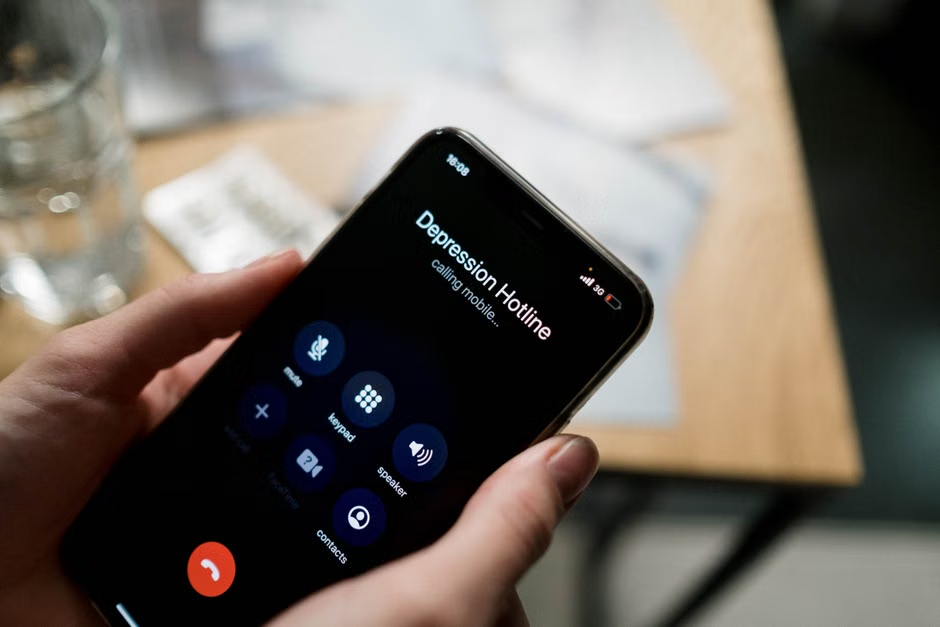
Crisis intervention is about providing immediate, short-term support during a mental health crisis to help restore an individual’s emotional stability and ensure safety. It’s not long-term therapy, but rather a focused, rapid response aimed at de-escalating the situation and connecting the person to ongoing care. We specialize in coordinating these connections.
The process typically involves several key steps:
- **Assessment:** Understanding the nature of the crisis, the immediate risks (self-harm, harm to others), and the person’s current mental state.
- **Safety Planning:** Developing immediate strategies to ensure the person’s safety and the safety of those around them. This might involve removing means of harm or establishing a safe environment.
- **De-escalation:** Using communication techniques to calm the individual, reduce agitation, and help them regain some control over their emotions.
- **Emotional Support:** Providing empathy, validation, and a non-judgmental space for the person to express their feelings.
- **Resource Connection:** Linking the individual to appropriate ongoing care, such as therapy, medication management, or community support groups. For Utah residents, our platform is a great starting point for finding community-based care providers.
- **Follow-up:** In some cases, a brief follow-up might occur to ensure the person is engaging with the recommended resources.
The goal is to move from a state of acute distress to one of stability, paving the way for recovery. According to the Substance Abuse and Mental Health Services Administration (SAMHSA), crisis intervention aims to reduce severe symptoms and link individuals to continuing treatment. SAMHSA offers various resources for finding immediate help.
Beyond the Immediate Crisis: What to Expect
After a crisis, the road to recovery is a journey, not a sprint. You can expect a period of emotional exhaustion for both the individual in crisis and their support network. The initial days might involve stabilization in a hospital or intensive outpatient program, followed by engagement with ongoing therapy and possibly medication management.
A realistic timeline for improvement often spans weeks to months, depending on the severity of the crisis and the underlying condition. There will be good days and challenging days. Recovery is often non-linear, and setbacks can occur. It’s important to foster patience, reinforce compliance with treatment plans, and encourage healthy coping mechanisms. Our goal at Healthy Minds Utah is to provide resources and connections that support this long-term recovery journey, helping individuals find the support they need to sustain well-being.
Practical Tips for Supporting Someone in Crisis (and Yourself)
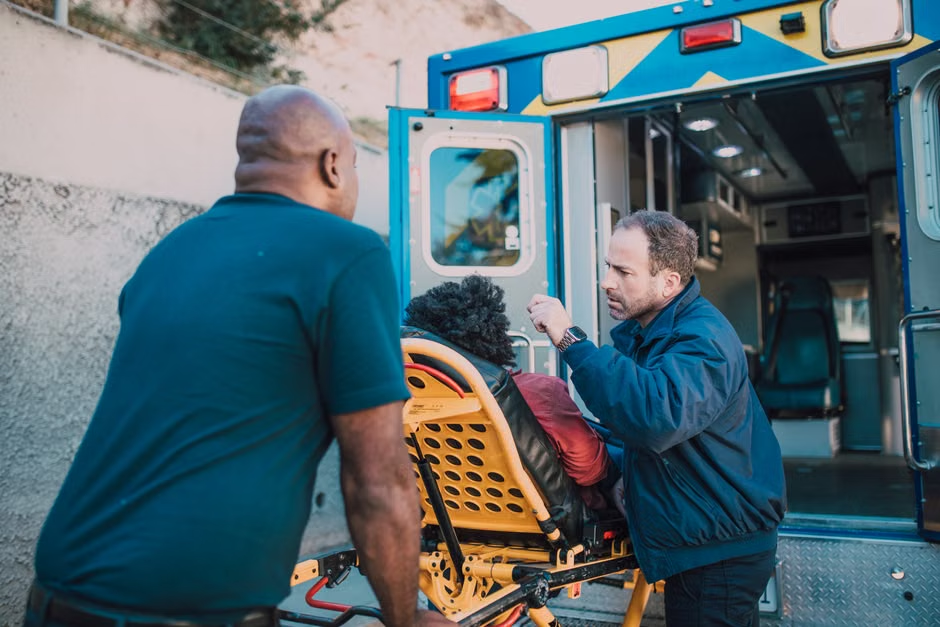
Providing crisis assistance can be emotionally draining. Here are some practical tips to help you support your loved one and manage your own well-being:
- **Educate yourself:** Understand the specific mental health condition or substance use disorder involved. Knowledge empowers you.
- **Create a safety plan:** Work with their treatment team to develop a written plan that outlines triggers, coping strategies, and emergency contacts.
- **Encourage consistent professional help:** Remind them of appointments and encourage adherence to treatment plans. Offer to attend sessions with them if appropriate.
- **Build a support network:** Connect with other family members, friends, or support groups who understand what you’re going through.
- **Practice self-care:** You can’t pour from an empty cup. Ensure you’re eating well, sleeping enough, exercising, and seeking your own emotional support.
- **Know your limits:** Understand what you can realistically do and when you need to step back or seek professional guidance for yourself.
Remember, supporting someone in a crisis is a Marathon, not a sprint. We are here to help you find the resources you need to support both your loved one and yourself. Don’t hesitate to visit our home page for a wealth of resources and connections.
Navigating a mental health or substance use crisis, whether for yourself or a loved one, is undeniably challenging. But you’re not powerless. By understanding the signs, knowing how to respond, and connecting with the right resources, you can make a profound difference. Healthy Minds Utah is here as your dedicated partner, providing the connections and education you need to foster resilience and promote healing across Utah. We believe in early intervention, timely support, and the power of community to overcome even the toughest moments.