A mental health crisis doesn’t wait for a convenient moment. It can arrive at 2 a.m., in the middle of a workday, or during a quiet evening when the weight of everything finally feels like too much. When that moment hits, knowing who to call, and feeling confident enough to actually dial, can change the entire outcome.
Many people hold back because they’re not sure their situation is serious enough to justify calling a crisis line. That hesitation is understandable. And it costs lives. You don’t have to be standing at the edge of something catastrophic to deserve support. Feeling hopeless, overwhelmed, or unable to see a way forward is reason enough to reach out.
At Healthy Minds Utah, we connect individuals and families across Utah to mental health screenings, early intervention resources, and community-based care providers. Raymond Sterling, who leads our educational outreach, often says the first move begins with choosing to reach out. The 988 Lifeline is one of the most direct ways to do that. If you’ve been wondering how it works, whether it’s right for your situation, or what actually happens when someone calls, this guide breaks it down plainly.
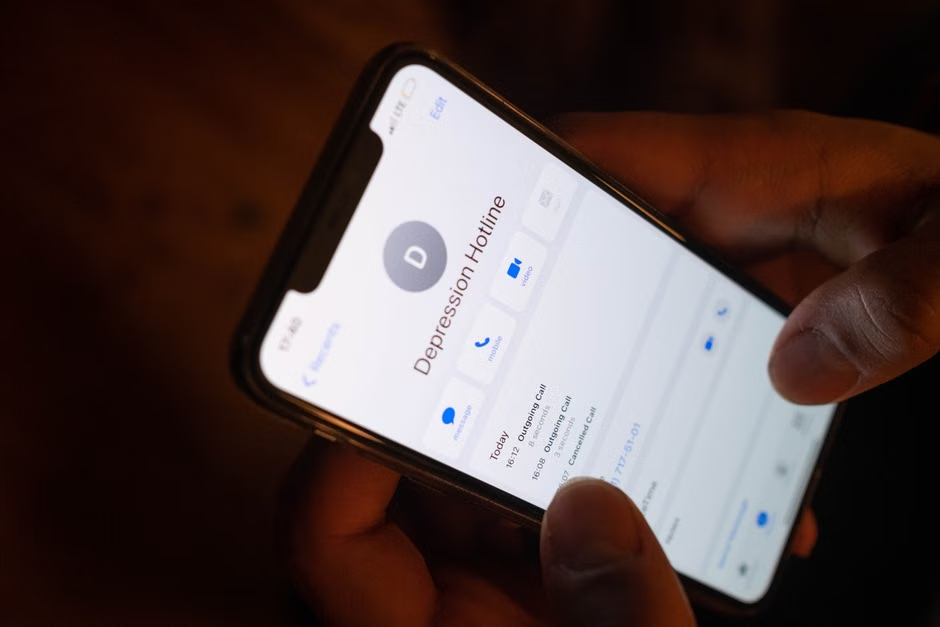
What Is the 988 Suicide & Crisis Lifeline?
The 988 Suicide and Crisis Lifeline is a national network of accredited, locally operated crisis centers. Launched in July 2022 as a simplified three-digit alternative to the original 10-digit National Suicide Prevention Lifeline, 988 connects callers to trained counselors by phone, text, or online chat, every hour of every day, at no cost. The service is federally funded and routes callers based on area code to a nearby crisis center whenever possible.
Crisis counselors don’t diagnose or prescribe medication. They listen, help de-escalate acute distress, and work with callers to identify a clear next step, whether that’s a referral to local services, a safety plan, or simply staying on the line until the moment passes. The National Institute of Mental Health identifies crisis intervention as a core component of suicide prevention, noting that timely access to trained counselors can reduce the risk of escalation for individuals in acute distress. Early intervention reduces the relapse rates in half, and that window of connection matters enormously.
“Suicide is preventable. Most people who die by suicide have a mental health condition at the time of their death, but many have never been diagnosed or treated.”
When Should 988 Be Called?
Call 988 any time you or someone you know is experiencing a mental health or emotional crisis. You don’t need to wait until a situation becomes life-threatening. The Lifeline is designed for a wide range of distress, from acute suicidal crisis to severe anxiety, substance use emergencies, and emotional overwhelm that feels unmanageable on your own.
If you’re unsure whether the situation qualifies, that uncertainty itself is a signal. Here are situations where reaching out makes sense:
- Thoughts of suicide or self-harm, even if they feel vague or fleeting
- A loved one who has expressed wanting to die or feeling like a burden to others
- Sudden, intense feelings of hopelessness or worthlessness
- A mental health crisis related to substance use or withdrawal
- Panic attacks or extreme anxiety that feel impossible to manage alone
- Someone who has gone quiet and withdrawn after a period of visible distress
- Any moment where you’re not sure what to do and you need a trained voice on the other end
Recognizing warning signs before a crisis becomes acute is one of the most effective forms of early intervention we know. Our resource on how to recognize suicide warning signs walks through the behavioral and emotional signals that often appear in the days or weeks before a crisis, so you know what to look for, whether for yourself or someone you love.
What Happens When You Call Lifeline?
When you dial 988, you’ll hear a brief automated message, then connect to a counselor at a local crisis center. Wait times vary depending on call volume, but you can press “1” if you’re a veteran to reach the specialized Veterans Crisis Line. Most people connect within a few minutes. If the line is busy, calling back usually works.
Once a counselor picks up, the call follows a natural, supportive flow:
- The counselor greets you calmly and without judgment, asking how you’re doing
- They listen to what you’re experiencing without rushing you toward a conclusion
- They gently assess the level of risk through conversation, not an interrogation
- Together, you identify next steps, which might include a safety plan, a referral, or simply staying on the line
- Emergency services are only involved if there is an immediate, life-threatening danger and all other options have been considered

What Will Happen If I Call the Crisis Hotline?
Calling won’t automatically send police to your door. That fear stops more people from dialing than almost anything else. Counselors are trained to exhaust every other option before involving emergency responders, and the goal is always to support your autonomy and safety, not override it.
Most calls end with the caller feeling more grounded, connected to resources, or equipped with a concrete plan. The conversation is confidential. Counselors don’t share your information with employers, family members, or insurance companies. Records are handled under strict federal privacy guidelines. If you’re calling on behalf of a loved one rather than for yourself, counselors are trained for that scenario too. You can describe what you’re observing, get guidance on how to approach the conversation, and find out what local resources are available in your county.
“The evidence supports crisis intervention as effective in reducing suicidal ideation and behavior when individuals receive timely, person-centered support connected to community-based follow-up care.”
— Journal of Mental Health, via PubMed / National Library of Medicine
How Much Does the 988 Lifeline Cost?
Calling or texting 988 is completely free. No insurance is required, no billing follows, and no account is needed. It functions like dialing 911 in terms of financial accessibility, meaning anyone in the US can use it regardless of their phone plan, carrier, or ability to pay. Prepaid phones, phones with no remaining minutes, and phones with disconnected service can still dial 988. If you’re concerned about caller ID, you can use *67 before dialing to mask your number, though the 988 service itself operates under strict confidentiality protections regardless.
When 988 Isn’t the Right Call and What to Try Instead
988 is not a replacement for 911 when there is immediate physical danger, such as an active overdose with loss of consciousness, a weapon being used, or someone who is unresponsive. In those moments, call 911 first. The two services work in parallel, not in competition, and dispatchers are increasingly trained to coordinate with mental health resources.
Other situations call for different resources:
- Crisis Text Line: Text HOME to 741741 if voice calls feel too difficult or aren’t private enough
- Your county mental health center: Many Utah counties offer walk-in crisis services during business hours
- A trusted therapist or prescriber: If you have an existing provider relationship, contact them first for non-emergency mental health concerns
- Emergency department: For psychiatric emergencies that need in-person evaluation or medical stabilization
- A trusted person in your life: Sometimes the first call is to someone who already knows your history
We’re connected to county-level mental health provider networks across Utah and can help you navigate toward the right level of care. Sometimes a mental health screening is the best first step before a crisis escalates. Identifying the right resource early keeps smaller crises from becoming larger ones.
Practical Tips for Calling 988
If you’ve never called a crisis line before, the experience can feel daunting. A few things that make it easier:
- You don’t need the right words. “I’m not okay and I don’t know what to do” is a complete reason to call.
- Find a private space if possible. A quiet room or a parked car gives you space to speak freely.
- Stay on the line even if you go quiet. Counselors are trained to hold space and won’t hang up on you.
- Have your location available, but only share if you choose to. Location only matters if emergency services become necessary.
- Call back if disconnected. High-volume periods happen. Try again.
- Tell the counselor if you’re calling for someone else. They’ll adjust the conversation accordingly and give you specific guidance.
What to Expect After the Call
Most people feel some relief after speaking with a counselor, even if the underlying situation hasn’t resolved. That’s not coincidental. Crisis counseling is specifically designed to reduce acute emotional intensity and help callers feel less isolated. You may leave the call with a referral to a local service, a follow-up number, or a safety plan you built together. You might also just feel steadier than you did before you called. That’s enough.
If a loved one’s crisis resulted in an emergency room visit or a psychiatric hospitalization, 988 counselors can help you understand what comes next and how to support someone through that transition. You don’t have to navigate that process alone either. Reach out to us at Healthy Minds Utah if you need help finding local follow-up care, connecting to a screening, or understanding what resources are available in your area of Utah.
Don’t wait until a situation is unbearable. The 988 Lifeline exists because mental health crises are real, common, and treatable, and because every person in pain deserves someone who will answer. Pick up the phone. Text if that’s easier. The first move begins with choosing to reach out, and that choice is always worth making.