Most people who die by suicide showed warning signs beforehand. Not obscure ones, either. Recognizable shifts in behavior, speech, and mood that, if noticed, can open the door to a conversation that changes everything. The challenge isn’t that the signs are invisible. It’s that most of us don’t know what we’re looking at or what to do when we see it.
In Utah, suicide rates run higher than the national average, particularly among adolescents and young adults. That statistic isn’t meant to frighten you. It’s meant to motivate you, because early intervention reduces the likelihood of severe outcomes, and intervention starts with awareness. Most suicidal crises are temporary. They pass. Especially when the person isn’t alone.
At Healthy Minds Utah, we connect individuals, families, and communities across the state to mental health screenings, crisis resources, and provider networks. This guide is for anyone who wants to understand what suicide warning signs actually look like and know what to do when they appear.
What Is Suicide Prevention, Really?
Suicide prevention is the practice of identifying risk early, reducing isolation, and connecting people to appropriate support before a situation becomes life-threatening. It doesn’t require clinical training. Friends, family members, teachers, and coworkers are often the first to notice a change in someone’s behavior, and that observation, paired with action, is the backbone of any prevention effort.
Understanding prevention also means understanding that suicidal thoughts are usually a symptom of an undertreated mental health condition, most commonly depression, anxiety, or a substance use disorder. Raymond Sterling, whose work in community mental health outreach has shaped how we approach resource coordination in Utah, describes normalizing help-seeking behavior as the most foundational prevention strategy available. You don’t have to wait for a crisis to reach out.
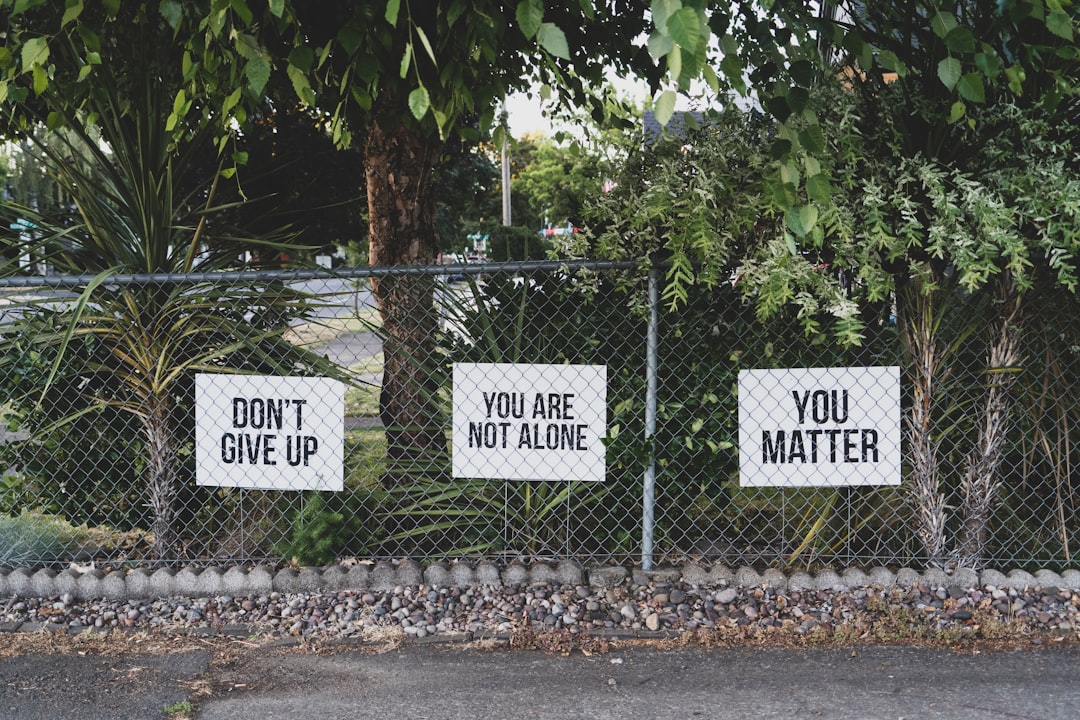
What Are the Warning Signs of Suicide?
Warning signs are behavioral, verbal, or emotional cues that someone may be thinking about ending their life. They don’t always look dramatic. Often they’re quieter, things most people dismiss as a bad week or a personality change. Knowing the difference can matter enormously.
Watch for these changes, especially when they appear together or represent a meaningful shift from someone’s usual behavior:
- Talking about wanting to die, having no reason to live, or being a burden to others
- Giving away meaningful possessions or saying goodbyes that feel final
- Withdrawal from close relationships, activities, or social life
- Expressing feelings of hopelessness, being trapped, or unbearable emotional pain
- Sudden calm after a period of severe depression or distress
- Increased use of alcohol or drugs
- Researching methods or seeking access to lethal means
- Reckless or self-destructive behavior that seems out of character
A single sign doesn’t mean someone is in immediate danger. But multiple signs together, especially following a recent loss, trauma, or life transition, warrant a direct, compassionate conversation. Asking someone whether they’re thinking about suicide does not plant the idea. Research consistently shows it reduces shame and opens the door to help.
How Does the Columbia Suicide Severity Rating Scale Help?
The Columbia Suicide Severity Rating Scale (C-SSRS) is a validated clinical tool used by healthcare providers and crisis responders to assess the severity of suicidal ideation. It asks structured questions about the frequency, intensity, and any steps someone has taken toward acting on those thoughts, allowing providers to determine the right level of care and intervention.
The C-SSRS isn’t reserved for emergency rooms. Adapted versions have been implemented in schools, workplaces, and community health settings. It’s one of the evidence-based frameworks that informs how mental health screenings and crisis triage work in Utah’s provider network. When a screener identifies elevated risk, that information flows into clinical referrals and follow-up connections rather than simply being recorded and forgotten.
“Asking someone directly about suicide is not harmful. In fact, it can be lifesaving — most people feel relief when someone takes the time to ask.”
Risk exists on a spectrum. Not every person experiencing suicidal ideation has a specific plan or immediate intent. Many are experiencing passive thoughts of death without a clear path toward acting on them. Both ends of that spectrum deserve attention. Formal tools like the C-SSRS help clinicians make those distinctions. But long before anyone sees a clinician, the people in someone’s daily life are often the ones who notice something is wrong first.
What Depression Symptoms Often Come Before Suicidal Thinking?
Depression is the most commonly associated mental health condition in suicide risk. Identifying what depression actually looks like, especially in earlier stages, is itself a form of prevention. Many people who are struggling don’t describe it as depression. They say they’re exhausted, unmotivated, or just not themselves. That language matters, because it’s where most conversations begin.
Common depression signs that frequently precede or accompany suicidal thinking include:
- Persistent sadness, emptiness, or numbness lasting more than two weeks
- Loss of interest in relationships, hobbies, or work that used to matter
- Sleep disruption, either too much or far too little
- Difficulty concentrating, remembering, or making simple decisions
- Physical symptoms without a clear medical cause, like chronic fatigue or pain
- Feelings of worthlessness, excessive guilt, or persistent self-blame
Depression is treatable. According to the Mayo Clinic, most people with depression see significant improvement with medication, therapy, or both. The real challenge is getting people into care before symptoms intensify. Mental health screenings serve as important early warning tools that detect conditions like depression before they escalate. We’ve seen firsthand, working with county-level providers across the state, that timely interventions, connected to the right level of care, cut the path from struggle to crisis meaningfully shorter.
Who Is at Highest Risk, and What Are the Exceptions?
Suicide risk doesn’t look the same in every person. While certain factors increase statistical likelihood, risk has to be assessed individually. Anyone, regardless of age, gender, income, or background, can experience suicidal ideation. That said, some groups carry disproportionately higher risk and deserve particular attention.
Those at elevated risk include individuals with a prior suicide attempt, people with untreated mental health or substance use disorders, those experiencing recent trauma or significant loss, veterans, LGBTQ+ youth in unsupportive environments, and individuals with access to lethal means in the home. In Utah, youth and young adult rates are especially important to watch.
It’s also worth saying plainly what this article isn’t: if someone is in immediate danger, right now, calling or texting 988 (the Suicide and Crisis Lifeline) or going to the nearest emergency room is the right move, not reading further. Hotlines exist because trained crisis counselors can do what a written guide never can. Don’t navigate that moment alone.
Not every person who expresses suicidal thoughts is in immediate danger. Some are communicating deep pain and need someone to listen without judgment, not an immediate clinical escalation. The goal of early intervention isn’t to treat every conversation as a hospitalization decision. It’s to hold space, reduce isolation, and connect the person to appropriate resources. Families supporting a loved one need to understand that nuance. Being present matters more than having the perfect response.
What to Expect After Reaching Out for Help
One of the biggest barriers to seeking support is not knowing what will happen next. Will they be hospitalized? Will others find out? Will it make things worse? These fears are real, and they keep people silent. Here’s a realistic picture of what typically follows an initial crisis contact or mental health screening:
- A screener or counselor will ask structured questions to assess current risk and support needs
- Recommendations may range from outpatient therapy referrals to crisis stabilization, depending on risk level
- Most people who reach out do not require hospitalization
- Information shared in mental health crisis settings is protected under HIPAA, with narrow safety-related exceptions
- Follow-up care is typically arranged before the initial contact ends
Recovery is a process. Early intervention doesn’t guarantee someone won’t struggle again. But the data supports what we’ve observed directly in our resource coordination work: timely interventions reduce the severity and frequency of future crises. The goal isn’t to fix everything in one conversation. It’s to take the next right step.
Practical Steps You Can Take Right Now
Awareness only matters when it leads to action. Here are concrete steps for anyone worried about themselves or someone they care about:
- Learn the warning signs. Review the list above. Share it with family members. Awareness is the starting point for everything else.
- Ask directly. If you’re worried about someone, say it out loud. “I’ve noticed you seem like you’re struggling. Are you having thoughts of hurting yourself?” Calm, direct questions matter more than perfect wording.
- Listen without trying to fix. You don’t need to have answers. Being present and taking someone seriously reduces the isolation that drives crises.
- Save the crisis line before you need it. 988 connects callers and texters to trained crisis counselors 24/7. Add it to your contacts now.
- Reduce access to means. If someone in your household is at risk, securing firearms and medications is one of the most effective prevention strategies available.
- Use available screening tools. A mental health screening is a low-barrier, no-cost early warning tool. Don’t wait for a crisis to find out where someone stands.
“Means safety counseling, including securing firearms and medications, is among the most evidence-supported approaches to reducing suicide risk in the home.”
You don’t have to navigate this alone, and neither does the person you’re worried about. Whether you’re reaching out on behalf of a loved one, looking for early warning tools, or trying to understand what you’re seeing, there is real help available. If you or someone you know is in Utah and needs a connection to mental health screenings or crisis support, Healthy Minds Utah is here to help you find the right path forward. The first move is simply choosing to take it.