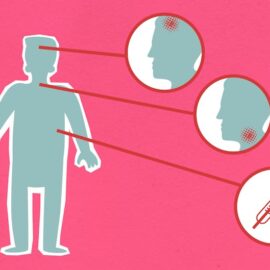
Bringing a new baby home is often painted as a time of pure joy. For many mothers, it is. But for others, the days and weeks following childbirth can be overshadowed by profound sadness, anxiety, and an overwhelming sense of dread. These feelings aren’t just the “baby blues” that fade quickly; they can be signs of postpartum depression (PPD), a serious yet treatable medical condition.
You don’t have to navigate these challenging emotions alone. We understand the immense pressure and emotional shifts new parenthood brings. Recognizing the signs of PPD is the first step toward getting the help you need and deserve. Our mission at Healthy Minds Utah is to connect individuals and families to vital mental health resources and support within their communities.
We’re here to help Utah families understand postpartum depression and find the resources that can make a real difference. If you’re struggling, or know a loved one who might be, exploring the resources available at Healthy Minds Utah is a good first step towards finding local support.
What Is Postpartum Depression (PPD)?
Postpartum depression (PPD) is a mood disorder that can affect women after childbirth. It’s more intense and lasts longer than the “baby blues,” involving feelings of extreme sadness, anxiety, and exhaustion that can make it hard to care for yourself or your baby. PPD is a clinical diagnosis, distinct from the common, milder mood shifts that usually subside within two weeks of delivery.
Unlike the “baby blues” which affect up to 80% of new mothers and typically resolve within a couple of weeks, PPD is a more severe and persistent condition. It can appear any time within the first year after childbirth, though it often begins within the first few weeks. The Mayo Clinic notes that PPD symptoms can range from mild to severe and can significantly interfere with a mother’s ability to function daily. Understanding the difference is crucial for seeking appropriate support.
“Postpartum depression is a common complication of childbirth, affecting up to 1 in 7 women. It is a serious condition that requires professional help.”
Why Does PPD Happen?
The exact cause of PPD isn’t fully understood, but it’s believed to be a complex interplay of physical and emotional factors. After childbirth, a woman’s body undergoes dramatic hormonal changes, with a rapid drop in estrogen and progesterone levels. These shifts can contribute to mood swings and depressive symptoms. Sleep deprivation, often severe with a newborn, combined with the stress of new responsibilities, can also profoundly impact mental well-being.
Beyond the biological, other risk factors can increase a woman’s likelihood of developing PPD. These include a personal or family history of depression or anxiety, a difficult pregnancy or birth, relationship problems, financial stress, or a lack of social support. We’ve seen in our work with Utah families that a strong support network can be a critical protective factor. Furthermore, according to the National Institute of Mental Health (NIMH), women with a history of depression or bipolar disorder are at a higher risk of developing PPD and should discuss this with their healthcare providers.
What Are the Signs of Postpartum Depression?
Recognizing the symptoms of PPD is paramount for early intervention. While some sadness and fatigue are normal after birth, persistent and worsening symptoms that interfere with your daily life warrant concern. If you’re experiencing several of these, it’s time to reach out for help:
- Intense sadness, emptiness, or despair
- Severe mood swings
- Excessive crying
- Difficulty bonding with your baby
- Withdrawing from family and friends
- Loss of appetite or eating much more than usual
- Inability to sleep or sleeping too much
- Overwhelming fatigue or loss of energy
- Reduced interest and pleasure in activities you once enjoyed
- Intense irritability and anger
- Feelings of worthlessness, shame, guilt, or inadequacy
- Severe anxiety or panic attacks
- Thoughts of harming yourself or your baby
- Recurrent thoughts of death or suicide
Mental health screenings serve as important early warning tools that identify mental problems such as depression or anxiety. We coordinate these screenings, connecting you to prompt assessments that can confirm PPD and guide next steps. Early detection means more timely interventions.
What is the best way to deal with postpartum depression?
The best way to deal with postpartum depression is to seek professional help early. Treatment typically involves a combination of therapy, medication, and robust support systems. Don’t try to navigate this alone; reaching out to a healthcare provider or mental health professional is crucial for developing an effective treatment plan tailored to your needs.
Effective treatment for PPD often includes psychotherapy, specifically cognitive behavioral therapy (CBT) or interpersonal therapy (IPT), which can help new mothers process their emotions, develop coping strategies, and navigate the challenges of motherhood. In some cases, medication, such as antidepressants, may be recommended, especially for moderate to severe PPD symptoms. We connect individuals to county-level mental health providers who can offer these evidence-based interventions. Our real-world outcome data suggests that early intervention reduces the relapse rates in half, highlighting the importance of not waiting to seek support.
When does PPD go away?
The duration of postpartum depression varies greatly among individuals, but with proper treatment and support, most women begin to feel better within weeks or a few months. Without intervention, PPD can persist for months or even years, making early and consistent treatment vital for recovery and improved well-being.
Recovery from PPD is a journey, not a fixed timeline. It’s common to experience good days and bad days, even while undergoing treatment. The good news is that PPD is highly treatable. In our role as a nonprofit resource hub for Utah, we’ve seen that consistent engagement with treatment and support networks significantly improves outcomes. Raymond Sterling, who champions accessible mental health resources, often emphasizes that persistent effort leads to lasting change. It takes time, patience, and self-compassion, but you can feel like yourself again.

What’s the 5-5-5 rule for postpartum?
The “5-5-5 rule” for postpartum recovery suggests that new mothers should aim for five days in bed, five days on the couch, and five weeks within the home. This rule is designed to encourage crucial rest and bonding time, limiting external demands and emphasizing gentle recovery and adjustment during the immediate postpartum period.
While not a strict medical guideline, the 5-5-5 rule offers a helpful framework for prioritizing rest and recovery during those intense initial weeks. It encourages mothers to accept help, limit visitors, and focus on healing and connecting with their new baby. We advocate for any approach that reduces stress and supports maternal mental health. This period of focused rest can help manage the physical and emotional exhaustion that often contributes to the development of PPD. Taking it slow is a crucial component of overall well-being during this life transition.
“Prioritizing rest and limiting responsibilities in the early postpartum period is essential for physical recovery and can significantly contribute to a mother’s mental well-being, reducing the risk of conditions like postpartum depression.”
— Office on Women’s Health, U.S. Department of Health and Human Services
Finding the Right Support: Alternatives and Considerations
Not every new mother experiencing sadness has PPD. Some might be navigating the “baby blues,” which typically resolve on their own. For others, symptoms might be more aligned with postpartum anxiety or even a more severe condition like postpartum psychosis, which is a medical emergency. Our role as a hub is to help you triage these concerns and connect you to the appropriate level of care.
When you reach out to Healthy Minds Utah, we can help clarify your situation and guide you to suitable resources. This might include connecting you to:
- Individual Therapy: A mental health professional can help you explore feelings, develop coping skills, and work through emotional challenges.
- Support Groups: Connecting with other new mothers facing similar struggles can provide invaluable validation and practical advice.
- Medication Management: If appropriate, we can help you find providers who can assess and prescribe medication in conjunction with therapy.
- Crisis Support: For immediate concerns about safety, we ensure rapid connection to crisis services.
- Community Resources: From lactation consultants to parent education classes, many local programs support new families.
We believe in providing access to a full spectrum of care because we understand that every mother’s journey is unique. Our expertise lies in connecting you to established networks of county-level mental health providers and services, ensuring you don’t face these challenges without the necessary support.
Practical Tips for Managing PPD and Seeking Help
Taking proactive steps for your well-being, alongside professional help, can make a significant difference. Here are some practical tips to help you manage PPD symptoms and support your recovery:
- Talk to Someone You Trust: Share your feelings with your partner, a family member, or a close friend. Don’t keep it bottled up.
- Prioritize Rest: Sleep when the baby sleeps, even if it’s just for short naps. Ask for help with nighttime feedings if possible.
- Eat Nutritious Meals: Good nutrition supports both physical and mental health. Aim for balanced meals, and accept help with meal prep.
- Gentle Movement: Even a short walk outdoors can boost your mood. Check with your doctor before starting any new exercise routine.
- Limit Social Media: Avoid comparing yourself to others’ seemingly perfect postpartum experiences. Focus on your own journey.
- Ask for and Accept Help: Let others cook, clean, or watch the baby so you can rest or have time for yourself. Remember, you’re not failing; you’re letting others support you.
Remember, reaching out for help is a sign of strength, not weakness. You are not alone, and there is help available. Healthy Minds Utah is here to serve as your guide, connecting you to the resources and care you need to navigate this journey towards healing and recovery. Your well-being is vital, not just for you, but for your entire family. Let us help you find the support you deserve.